
Description
Photos
Documents
Score card
Description
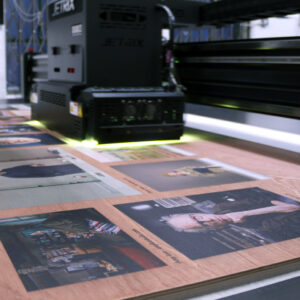
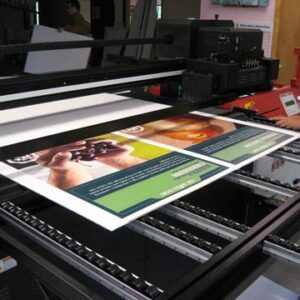
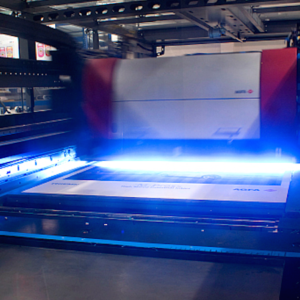
UV printing is a unique method of digital printing utilising ultraviolet (UV) light to dry or cure ink, adhesives or coatings almost as soon as it’s hit the paper, or aluminium, foam board or acrylic – in fact, as long as it fits in the printer, the technique can be used to print on almost anything.
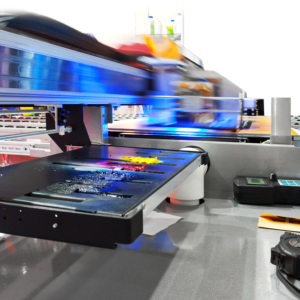
As the paper (or other substrate) passes through the printing press and receives wet ink, it is immediately exposed to UV light. Because the UV light dries the application of ink instantly, the ink does not have the opportunity to seep or spread. Hence, images and text print in sharper detail.
The advantages of UV Printing include the following:
- The ink is dry the second it comes off the press. No time is lost waiting for the ink to dry before folding, binding, or performing other finishing operations.
- Works with a variety of materials, including paper and non-paper substrates. UV Printing works particularly well with synthetic paper, a popular substrate for maps, menus, and other moisture-resistant applications.
- UV-cured ink is less prone to scratches, scuffs, or ink transfer during handling and transportation. It also resists fading.
- The printing is sharper and more vibrant. Because the ink dries so rapidly, it does not have a chance to spread or absorb into the substrate. As a result, the printing stays vivid and crisp.
- The UV printing process is kinder to the environment. Because UV-cured inks are not solvent-based, there are no harmful substances to evaporate into the surrounding air.
Photos
Documents
Score card